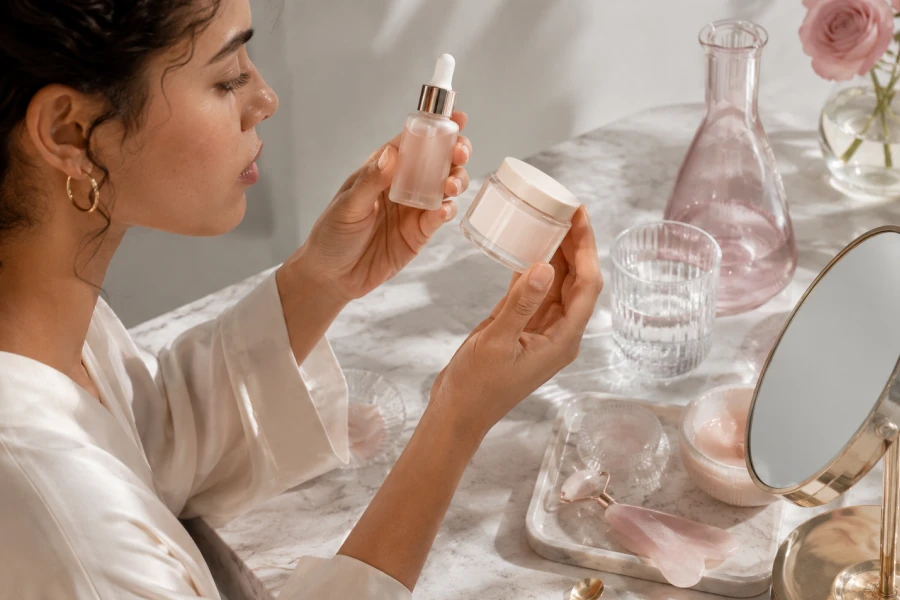
Skincare label decoding gives beauty shoppers a stronger sense of control. Ingredient lists can look intimidating at first. Claims can sound persuasive. Packaging can create trust quickly. Still, the label tells the deeper story. It shows what a product may actually do. It also reveals whether the formula matches your goals. Once labels become easier to read, shopping feels calmer. Mistakes become less expensive. Confidence replaces guesswork.
Checkout decisions happen quickly. A product looks promising. A review sounds convincing. A discount creates urgency. Without label knowledge, impulse wins. Strong skincare ingredient education slows that process down. It helps shoppers ask better questions. What role does this product serve. Does it duplicate something already owned. Is it suitable for the skin concern. Those questions prevent clutter.
Ingredient order offers helpful context. Early ingredients usually appear in larger amounts. Later ingredients may still matter. Actives can work at low percentages. Fragrance may appear near the end. Preservatives are essential for safety. Water-based formulas feel different from oil-rich ones. Texture gives additional clues. Claims should match the list. When the pieces align, trust becomes easier.
Acne-prone and sensitive skin need careful choices. Harsh experimentation can backfire. Some actives help congestion. Others may increase dryness. Fragrance can bother certain users. Heavy textures may not suit everyone. Practical acne ingredient basics can support smarter decisions. Sensitivity requires patience and simplicity. Labels help identify possible triggers. They also help users build routines gradually.
Some claims sound clearer than they are. Clean can mean different standards. Natural can still irritate. Hypoallergenic does not guarantee comfort. Anti-aging can describe many ingredient types. Dermatologist-tested may not explain the study. Shoppers should read claims beside ingredients. That habit creates balance. It prevents fear-based shopping. It also prevents blind trust. Better evaluation starts with curiosity.
Layering becomes easier when ingredients are familiar. You can spot duplicate acids. You can avoid stacking strong exfoliants. You can separate retinoids from irritating combinations. You can choose hydration when skin feels stressed. Supportive active ingredient layering knowledge protects the routine. It also helps users understand reactions. If skin changes, the cause becomes easier to trace. That insight makes adjustments less random. Smart layering keeps results more comfortable.
Label reading becomes a lasting skill. It helps with every future purchase. It reduces dependence on trends. It also strengthens trust in personal judgment. Technology can support the process. Helpful AI skincare analysis can organize confusing ingredient information. Still, knowledge gives the best results. The shopper remains in charge. Over time, beauty decisions feel clearer, calmer, and more strategic.
Skincare label decoding changes the shopping experience by replacing guesswork with understanding. When shoppers can recognize ingredient roles, formula clues, and the limits of front-label claims, every purchase becomes more intentional. Labels stop feeling intimidating and begin to serve as useful decision-making tools. This skill can prevent duplicate products, unnecessary spending, and combinations that do not suit the skin. Better questions lead to better routines, and better routines lead to more confidence with every product choice.



Leave a comment